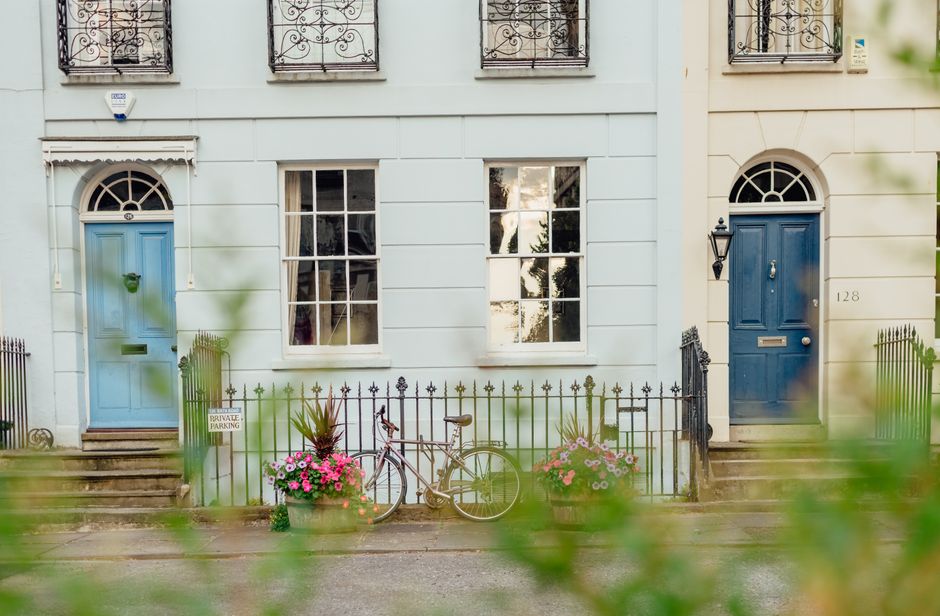
Lambeth terrace floral makeover case study before and after
Posted on 19/10/2026
If you have ever looked at a tired terrace, a narrow front step, or a small paved courtyard and thought, "This could be lovely, but where do I start?", you are in the right place. A Lambeth terrace floral makeover case study before and after is exactly the kind of transformation that shows what thoughtful flowers, planting, and seasonal styling can do in a compact London setting. It is not just about making things pretty for a day. It is about lifting the whole feel of a home, softening hard lines, and creating an entrance that looks cared for, lived-in, and welcoming.
In Lambeth, where terraces often balance brick, railings, steps, and limited space, floral design has to be clever. It needs to work with the architecture, the light, the weather, and the practical realities of everyday life. This article walks through what a terrace floral makeover involves, why the before-and-after impact matters, how the process works, and what to avoid if you want results that actually last.
We will also look at a realistic case study approach, useful comparisons, and a practical checklist. So whether you are planning a small refresh or a bigger seasonal update, you will come away with a clearer idea of what works and why.
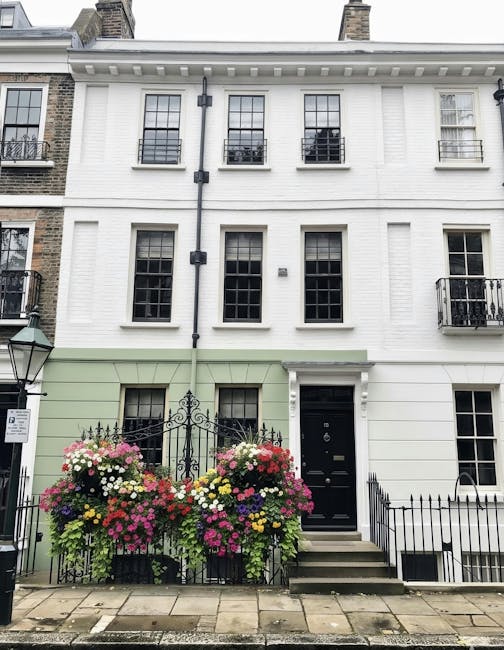
Table of Contents
- Why Lambeth terrace floral makeover case study before and after Matters
- How Lambeth terrace floral makeover case study before and after Works
- Key Benefits and Practical Advantages
- Who This Is For and When It Makes Sense
- Step-by-Step Guidance
- Expert Tips for Better Results
- Common Mistakes to Avoid
- Tools, Resources and Recommendations
- Law, Compliance, Standards, or Best Practice
- Options, Methods, or Comparison Table
- Case Study or Real-World Example
- Practical Checklist
- Conclusion
- Frequently Asked Questions
Why Lambeth terrace floral makeover case study before and after Matters
The phrase "before and after" matters because people do not just want inspiration. They want proof that a floral makeover can genuinely change a terrace, not just in photos but in daily life. On a Lambeth terrace, that change might be subtle at first glance: a better-balanced entrance, a brighter landing, a softer edge along a wall, or a front space that feels calmer and more inviting. Yet those small shifts add up quickly.
A case study is useful because it reveals the design thinking behind the result. You can see what was removed, what was added, and what was left alone. That matters. In our experience, the best floral makeovers are rarely the most crowded ones. They are the ones that respect the bones of the property and use flowers to guide the eye. A plain step becomes a welcoming arrival point. A blank wall becomes a backdrop. A forgotten corner suddenly earns its keep.
There is also a practical reason people search for this topic. Terrace spaces in Lambeth are often compact, exposed to passing footfall, and not always blessed with perfect sunlight. A real case study helps you judge whether the results are achievable in a similar setting. It gives you a sense of scale, cost discipline, seasonal choices, and maintenance needs. Honestly, that is the bit people often skip until they are halfway through and muttering at a watering can.
For homeowners, tenants, hosts, and local businesses, the before-and-after view can also support decision-making. It shows whether a makeover is simply decorative or whether it can improve first impressions, event readiness, or everyday enjoyment. And if you are comparing ideas across Lambeth, a stronger understanding of floral layout, colour balance, and longevity helps you make better choices from the start.
How Lambeth terrace floral makeover case study before and after Works
A terrace floral makeover usually starts with the space itself, not the flowers. That is the right order. You look at the available surfaces, the light, the traffic flow, and the visual problem you are trying to solve. Is the entrance too harsh? Does the step area feel bare? Is there a long wall that needs warmth? The answers shape everything else.
From there, the floral plan is built around structure and contrast. On a terrace, florals often work best when they are layered: something low and full near the edge, something upright or structured to guide the eye, and something softer or more textured to stop the result looking rigid. If the makeover is for a front terrace in SW9, that balance is especially useful because the space may need to look good from the pavement as well as from inside the home.
The "before" stage usually reveals practical issues. Maybe the original planters are cracked. Maybe the colours are all fighting each other. Maybe there is no clear focal point. The "after" stage is not only about more flowers; it is about better composition. A good floral makeover usually introduces rhythm, repetition, and a sense of intention. You may notice the space feels quieter, even when the flowers are bolder. That is not accidental.
Weather, season, and maintenance are part of the process too. London terraces deal with wind tunnels, shade from neighbouring buildings, and the occasional week of rain that seems to have no end. So a well-planned makeover should be designed for the conditions, not just for the first five minutes after installation.
If you are building a floral update around a broader gifting or delivery plan, pages like florist Lambeth SW9 and flower delivery in Lambeth SW9 can help frame the kind of service and product range typically used in local floral work.
Key Benefits and Practical Advantages
A good terrace floral makeover is not just about appearance. It solves a few everyday problems at once.
- It improves first impressions. The entrance feels cared for, which matters whether you are welcoming guests, customers, or family.
- It softens hard materials. Brick, stone, metal railings, and paving can all feel visually heavy. Flowers break that up.
- It makes a space feel larger. Careful vertical interest and colour layering can draw the eye outward and upward, which helps small terraces feel less boxed in.
- It creates seasonal flexibility. You can refresh the scheme through the year instead of replacing everything from scratch.
- It supports practical use. A thoughtful layout keeps paths, steps, and doors clear. Important, because beauty that gets in the way is not much use.
There is also a quieter benefit: it changes how people use the space. A terrace that looks finished tends to be looked after more carefully. People stop and water the plants. They notice fading blooms sooner. They make small improvements instead of leaving everything until "later". And later, let's face it, has a habit of disappearing.
For households that like to send or receive flowers regularly, local product ranges such as best sellers, flowers in a vase, and florist choice can be useful inspiration for what tends to work well in a compact setting.
Who This Is For and When It Makes Sense
This kind of floral makeover makes sense for a few different groups.
Homeowners often want to lift the frontage before a family event, spring clean, house sale, or simply because the terrace feels flat and uninspiring. A polished floral scheme can make the whole property feel more settled and complete.
Tenants may need to keep things temporary and low-risk, so pots, planters, and removable arrangements become the smart route. If you are renting, the trick is to improve the look without causing damage or overcommitting to a layout you cannot take with you later.
Hospitality and corporate spaces need floral styling that feels presentable, branded in a loose sense, and easy to maintain. A terrace outside a studio, office, or small venue can do a lot of quiet work for perception. If that is your world, it may also be worth looking at corporate accounts for more consistent floral support.
Event planners and hosts often want a before-and-after effect for a specific date. In that case, the makeover is less about long-term planting and more about timing, flower choice, and keeping the finish fresh through the event window.
It makes sense when the current space is:
- visually bare or unfinished
- dominated by hard surfaces
- awkwardly proportioned
- in need of a seasonal refresh
- lacking a clear focal point
- functional but not especially welcoming
If your terrace already looks balanced and planted with care, you may only need a small refresh rather than a full makeover. That is worth saying, because not every project needs a dramatic overhaul. Sometimes a light touch is the right move.
Step-by-Step Guidance
Here is a sensible way to approach a Lambeth terrace floral makeover without making it more complicated than it needs to be.
1. Assess the space properly
Look at the terrace from different angles: from the street, from the doorway, and from inside the home. You will notice different problems depending on where you stand. A space can feel fine up close but flat from the pavement. Measure key dimensions if possible, especially if you are using larger planters or baskets.
2. Define the visual goal
Ask what the makeover should achieve. Do you want softness, colour, structure, privacy, or a more elegant arrival point? One clear goal keeps the project from becoming a bit of everything and a bit of nothing.
3. Choose the style direction
Keep the style aligned with the property. A Victorian terrace may suit a fuller, more romantic planting style, while a modern frontage may look better with cleaner lines and fewer but stronger flower groupings. In Lambeth, both can work, but they need different handling.
4. Select the right containers or focal points
Planters, window boxes, urns, hanging pieces, or statement arrangements all create different effects. The most useful ones are the pieces that solve a spatial problem, not just the ones that look lovely in a catalogue.
5. Build the colour story
Choose a palette that works with the exterior materials. White flowers can brighten shadowy spots. Pink and blush soften brick. Purples bring depth. Mixed colours add energy but need careful control, or they can turn noisy very quickly.
6. Balance structure and movement
A successful terrace makeover often pairs a steady framework with looser floral texture. That might mean upright greens or tall stems alongside softer blooms. The contrast is what gives the scheme shape.
7. Install with maintenance in mind
Leave space for watering, deadheading, and replacing blooms. A showy arrangement that cannot be maintained is, frankly, only half a design. A good one stays workable after the first day.
8. Review the result in daylight and evening
If possible, check the makeover at different times. Morning light can flatter certain colours; evening light can make others disappear. A quick review helps you catch weak spots before they become obvious.
Expert summary: The best terrace floral makeovers do not scream for attention. They guide it. They make a small space feel intentional, and that is where the before-and-after shift becomes genuinely valuable.
Expert Tips for Better Results
There are a few details that consistently improve a terrace floral makeover, and they are usually the things people leave until last.
Think in layers, not single features. One planter alone can feel lonely. Two or three elements at slightly different heights usually create a more finished look.
Repeat colours lightly. Repetition gives the eye a place to rest. If every container introduces a new colour, the space can feel restless. A small repeat of white, blush, or green can hold everything together.
Respect the entrance line. On a terrace, the doorway matters. Do not let floral pieces crowd the threshold. The best scheme welcomes people in rather than forcing them to weave through it.
Use texture as much as colour. Leaves, grasses, and mixed foliage can be just as important as the flowers themselves. They stop the arrangement from flattening out visually.
Keep maintenance realistic. If the terrace gets little direct sun, choose flowers and foliage that can cope. If it is exposed and windy, choose more robust forms. This sounds obvious, but it gets missed all the time.
Photograph the space before and after. Not because everything needs to become social media content, but because it helps you see what actually changed. Sometimes the biggest win is the one you only notice when you compare pictures side by side.
Leave a little breathing room. This is the bit many people get wrong. An overfilled terrace can feel smaller than a simpler one. Space, weirdly enough, is part of the design.
Common Mistakes to Avoid
A floral makeover can fall short for very ordinary reasons. The good news is that most of them are avoidable.
- Using too many colours at once. More colour does not automatically mean more impact.
- Ignoring scale. Tiny flowers in huge containers can disappear. Oversized features can overwhelm a narrow terrace.
- Forgetting the weather. Wind, shade, and rain all affect what will survive well in a Lambeth setting.
- Blocking practical access. A beautiful arrangement that makes the front step awkward is, to be fair, a bit of a nuisance.
- Choosing blooms without a maintenance plan. If nobody can water or deadhead regularly, the before-and-after effect fades fast.
- Matching everything too literally. Some contrast is useful. A scheme with no contrast can look flat.
Another common issue is designing for the first week rather than the full season. Flowers change. Leaves age. Light shifts. A strong makeover allows for that from the outset.
If you are selecting flowers for different occasions, browsing category ranges such as same day delivery, luxury flowers, or cheap flowers can help you think about budget and presentation in a more practical way.
Tools, Resources and Recommendations
You do not need a huge toolkit, but a few sensible items make a floral makeover easier to manage.
- Planters or containers suited to the width of the terrace
- Quality compost or growing medium appropriate for the flowers you are using
- Watering can or hose access that is realistic for the layout
- Securing weights or stabilisers if the area is exposed to wind
- Pruning scissors or snips for deadheading and light shaping
- Gloves and a small brush for tidying petals, soil, and debris
When choosing products, it helps to think about how much time you can genuinely spend on upkeep. A low-maintenance terrace is often better than a high-maintenance one that looks glorious for three days and then starts to sag. That's just life, really.
For care and longevity, a useful companion page is flower care. If your project involves delivery timing, delivery information can also help set expectations around when flowers are likely to arrive and how to plan installation around that.
Law, Compliance, Standards, or Best Practice
For a floral terrace makeover, the main compliance issue is usually not legal red tape; it is good practice, safety, and neighbour consideration. If the space is private, you still want to avoid obstructing exits, creating trip hazards, or placing heavy items where they could fall or topple. That matters in small London frontages where foot traffic is close and space is tight.
If you are working on a rental property, check what is allowed before fixing anything to walls, railings, or steps. Removable planters are often the safer option. If the property is part of a managed building or shared frontage, you may also need permission for anything visible from the street. Common sense tends to go a long way here.
For businesses, there may be additional expectations around accessibility and keeping entrances clear. A floral scheme should never interfere with someone's movement in or out. It sounds obvious, but flowers have a way of creeping into spaces they were never invited to occupy.
It is also sensible to think about waste, packaging, and materials. Reusable containers and responsible disposal of spent stems fit well with good practice. If sustainability matters to you, a page like sustainability can be useful context for the type of choices a careful florist may prioritise.
For broader trust signals, customers often also look at about us, guarantees, and terms and conditions before booking any floral service. That is a fair habit. It tells you how the business thinks and how clearly it communicates.
Options, Methods, or Comparison Table
There is more than one way to approach a terrace floral makeover. The right method depends on the space, budget, and how much maintenance you want to take on.
| Method | Best for | Pros | Limitations |
|---|---|---|---|
| Temporary floral styling | Events, photo-ready entrances, short-term refreshes | Fast impact, flexible, easy to change | Needs replacement sooner, less lasting |
| Potted terrace makeover | Homes and rentals needing structure | Portable, manageable, good for small spaces | Requires watering and occasional replanting |
| Seasonal planting scheme | Longer-term curb appeal | Builds consistency, more natural over time | Needs planning through changing weather |
| Mixed floral and foliage styling | Spaces that need texture and balance | Looks fuller, more sophisticated, often more resilient | Can feel busy if overdone |
In practice, many Lambeth terraces benefit most from a mixed approach. The reason is simple: flowers carry the mood, foliage carries the structure. You need both if you want the result to feel finished rather than staged.
Case Study or Real-World Example
Here is a realistic example of how a Lambeth terrace floral makeover can change the feel of a space.
Before: the terrace entrance was functional but plain. There were two mismatched containers, a narrow step area, and a wall that absorbed light without giving anything back. The view from the pavement felt flat. From inside, the frontage looked unfinished, almost as if it was waiting for something.
After: the layout was simplified and made more deliberate. The mismatched pieces were replaced with a coordinated group of containers in complementary heights. Lighter blooms helped brighten the shaded side, while fuller, more textured planting created shape near the doorway. The colour palette stayed controlled, which made the whole space look calmer and more expensive, even though the actual project was about smart choices rather than extravagance.
The most noticeable improvement was not just the flowers themselves. It was the sense that the frontage now belonged to the property. The eye moved naturally from the pavement to the step, then to the doorway, then upward. That matters more than people think. A terrace can look tidy and still feel unresolved; this one now felt complete.
What worked best in this example:
- keeping the palette limited
- using different heights for depth
- choosing plants that could handle partial shade
- leaving enough room for daily use
- designing for the front view, not just the close-up view
This is the kind of transformation a good before-and-after case study should show: not magical, not overblown, just noticeably better in a way you can live with. That is the sweet spot.
Practical Checklist
Use this checklist before you begin your own terrace floral makeover.
- Have you measured the available space?
- Do you know where the space gets sun, shade, and wind?
- Have you decided whether the makeover is temporary or long-term?
- Do your containers match the scale of the terrace?
- Is there a clear focal point near the entrance or wall?
- Have you chosen a colour palette that works with the brick, railings, or paving?
- Will the flowers and foliage be manageable to water and maintain?
- Have you left enough space for doors, steps, and movement?
- Do you need permission before making visible changes?
- Have you planned how the space will look after the first few weeks, not just on day one?
If you can tick most of these off, you are probably in good shape.
And if not, that is fine too. Better to pause and get it right than rush into a scheme you end up watering with a sigh.
Get a free quote today and see how much you can save.
Conclusion
A Lambeth terrace floral makeover case study before and after is most useful when it shows more than beauty. It should show judgement, practicality, and a clear understanding of how a small urban space actually works. The strongest results are usually the ones that feel calm, welcoming, and proportionate rather than loud or overfilled.
If you are planning your own makeover, start with the space, then build the flowers around it. Keep the colour story simple enough to hold together. Think about maintenance from day one. And remember that a good floral update does not need to shout to make an impression. Sometimes the quietest change is the one people notice most.
Done well, a terrace can feel like it has finally exhaled. That is a lovely thing to see.
Frequently Asked Questions
What is a Lambeth terrace floral makeover case study before and after?
It is a detailed look at how a terrace space in Lambeth changed from an ordinary or tired appearance to a more polished floral design. The before-and-after format helps you see what was improved, what was kept, and what practical choices made the biggest difference.
Why are before and after photos useful for terrace floral design?
They make the transformation easier to understand. You can judge scale, colour balance, structure, and how much visual impact the makeover actually had. It is much easier to assess whether a style suits your own terrace when you can compare the two stages.
Can a small terrace in Lambeth really benefit from floral styling?
Absolutely. Small terraces often benefit the most because flowers can soften hard surfaces and make the entrance feel more welcoming. The key is using the right size containers and avoiding overcrowding.
How long does a floral terrace makeover usually last?
That depends on whether the makeover is temporary or seasonal. Fresh arrangements may last only a short time, while potted or planted schemes can last much longer if they are cared for properly. Maintenance makes a big difference.
What flowers work best for a terrace makeover in London?
The best choices are usually the ones that suit the light, shelter, and maintenance level of the space. In London, that often means choosing flowers and foliage that can handle changing weather rather than relying on very delicate blooms alone.
Is a floral makeover expensive?
It does not have to be. Costs can vary depending on the size of the space, the number of containers, and whether you want luxury styling or something more modest. A well-planned scheme often looks better than a larger, less considered one.
Do I need permission to change a terrace frontage?
If you are making visible changes, especially in a rental or shared property, it is sensible to check first. Removable planters are often a safer option than anything fixed in place. When in doubt, keep changes reversible.
How do I keep a floral makeover looking good after the first week?
Choose manageable plants, water them consistently, remove fading blooms, and leave enough space for daily care. A nice arrangement can go downhill quickly if nobody has time to look after it. It happens more often than people admit.
What is the biggest mistake people make with terrace floral styling?
Overcrowding. It is very easy to add too many colours, too many containers, or too many statement pieces. A terrace usually looks better when the design has room to breathe.
Can floral styling improve kerb appeal?
Yes, it often can. A neat, balanced floral frontage gives the impression of care and attention, which can make the whole property feel more inviting from the street. That matters for guests, buyers, tenants, and everyday pride in the home.
How do I choose between temporary and long-term floral design?
If you need a short-term visual lift for an event or occasion, temporary styling is the better fit. If you want something that improves the space across the season or year, a more durable planted setup makes more sense.
Where should I start if I want a makeover for my own terrace?
Start by assessing the space in daylight, noting how it is used, and deciding what you want the flowers to achieve. Once you know whether you need softness, structure, colour, or privacy, the rest becomes much easier to plan.
What should I look for in a florist or floral service?
Look for clear communication, sensible advice, a good sense of scale, and an understanding of maintenance. Trust matters. So does the ability to suggest something practical, not just something pretty for the first hour.
Are there any maintenance tips that make a big difference?
Yes: deadhead regularly, water consistently, rotate containers if light is uneven, and trim away anything that looks tired. Small, steady upkeep almost always beats a rescue mission later on.