Lambeth Palace funeral flowers rules and council restrictions
Posted on 17/09/2026
If you are arranging funeral flowers near Lambeth Palace, you are usually dealing with two things at once: the wishes of the family and the practical limits of the site itself. That can feel a bit awkward when you are already under pressure. The good news is that most problems come down to simple planning, respectful placement, and checking the right permissions early. This guide explains Lambeth Palace funeral flowers rules and council restrictions in plain English, so you can avoid last-minute stress, keep the tribute appropriate, and make sure the flowers arrive where they should.
Truth be told, most people only think about the flowers after the funeral date is fixed. Then the questions start: can wreaths be left outside, are there space limits, who clears them away, and does the council control what happens on the public highway? We will cover the practical side of all of that, plus what to do if the service is sensitive, time-limited, or involves a formal church or palace setting.
Expert summary: The safest approach is to match the tribute to the venue, keep arrangements tidy and easy to manage, and confirm any delivery, placement, or removal expectations before the day. A beautiful tribute should also be an easy one to handle.
Contents
- Why Lambeth Palace funeral flowers rules and council restrictions matters
- How Lambeth Palace funeral flowers rules and council restrictions works
- Key benefits and practical advantages
- Who this is for and when it makes sense
- Step-by-step guidance
- Expert tips for better results
- Common mistakes to avoid
- Tools, resources and recommendations
- Law, compliance, standards, or best practice
- Options, methods, or comparison table
- Case study or real-world example
- Practical checklist
- Conclusion
- Frequently asked questions
Why Lambeth Palace funeral flowers rules and council restrictions Matters
Lambeth Palace is not a random drop-off point. It is a significant and formal location, and that changes how funeral flowers should be handled. If flowers are left in the wrong place, block access, or interfere with pedestrian movement, they may be moved or removed. In a busy part of London, even a small arrangement can become a practical issue if it is placed carelessly.
This matters for three reasons. First, funeral flowers are meant to show care, not create friction. Second, the venue may have its own expectations around delivery windows, placement points, and collection. Third, council restrictions can apply to anything that uses public land, footways, barriers, or roadside edges. That means a tribute that looks perfect in the shop may still need adjustment on arrival. A bit annoying? Yes. But manageable.
For families, the main risk is emotional as much as logistical. The wrong arrangement, badly timed delivery, or unclear permission can create a small but painful disruption on a day that already carries enough weight. In our experience, the simplest approach is usually the best: keep the tribute respectful, compact where needed, and clear of anything that could be seen as obstruction.
If you are organising flowers from a local florist, it helps to choose a supplier that understands funeral work, delivery timing, and the realities of London venues. Many people also like to browse appropriate sympathy and remembrance styles first, such as funeral flowers or more restrained sympathy flowers, before deciding what fits the service.
How Lambeth Palace funeral flowers rules and council restrictions Works
There is rarely one single rule sheet that covers every funeral flower scenario. Instead, the practical process usually works like this: the venue sets expectations for access and presentation, and the council controls use of public space around it. Your florist then plans the tribute around those limits.
That means the right questions matter more than guesswork. Is the tribute going inside the building, near an entrance, on private land, or being handed over to funeral staff? Will there be a hearse, a cortege, or a short service window? Are there any constraints on size, wording, or installation? You do not need a legal lecture. You need clear answers.
Typically, the safest arrangements for formal venues are compact bouquets, wreaths, sheaves, sprays, posies, and letter tributes that are easy to place and easy to remove. Larger displays can still be appropriate, but they should be planned carefully so they do not cause congestion. If the flowers are being delivered into a service setting, your florist should also know who is receiving them and at what time. One missed handover and the whole plan can wobble.
Here is the practical flow most families follow:
- Confirm the service time and exact venue access point.
- Check whether the tribute is for inside placement, outside display, or handover only.
- Choose a suitable style and size for the space.
- Provide delivery details, contact names, and any wording for the card or tribute ribbon.
- Make sure the florist understands any council-related restrictions on public pavements, roads, or entrances.
- Arrange collection or disposal expectations after the service.
It is worth saying plainly: the council is usually most concerned with obstruction, safety, and public access. That is why even a tribute that is personally meaningful may still need to be altered if it would block a path or create a trip hazard. Not glamorous, but that is how these things are handled in real life.
Key Benefits and Practical Advantages
Working within the local rules does more than keep everyone compliant. It makes the day run smoother. And on a funeral day, smooth matters.
- Less stress at the venue: a florist who knows the restrictions can deliver a tribute that actually fits the space.
- Fewer delays: if access is planned properly, flowers can be handed over quickly without stopping traffic or ceremony flow.
- More dignified presentation: arrangements that suit the setting look considered and respectful.
- Lower risk of removal: tributes placed on public land without permission are more likely to be moved.
- Clearer family communication: everyone knows where the flowers are going and what happens afterwards.
There is also a quieter benefit that people sometimes overlook. When the flowers are chosen with the venue in mind, the tribute tends to feel more intentional. A modest white spray, a simple wreath, or a personalised name tribute can say more than a grand arrangement that is awkward to place. It is not about scale. It is about fit.
For example, if you need something understated and reliable, a classic white arrangement or wreath often suits formal services well. Some families prefer seasonal or gentle styles from the wider funeral range, while others choose a more personal tribute such as lettered designs or named pieces. There is no single right answer, just the right match for the moment.
Who This Is For and When It Makes Sense
This guide is for anyone arranging funeral flowers around Lambeth Palace or a nearby central London service where access may be tight and public-space rules matter. That includes family members, funeral directors, church or venue coordinators, and local florists taking on delivery work.
It makes the most sense if any of the following apply:
- the service is formal, time-sensitive, or tightly scheduled
- flowers may need to be placed near an entrance, pavement edge, or shared access point
- you are unsure whether a tribute can stay on site after the service
- the funeral involves a large number of guests and crowd flow is a concern
- you want a tribute that is respectful but not cumbersome
Families often ask this kind of question after a late-night conversation, usually the day before the service: can we send something bigger, or should we keep it simple? Honestly, if there is any uncertainty, simple is usually safer. A neat spray or wreath can look elegant without creating a logistics headache.
This is also relevant if you are sending flowers from outside the immediate area. In that case, it can help to use a service with reliable local delivery and a clear funeral range, rather than assuming any bouquet will do. If you are coordinating from another part of London, it may be useful to check options like funeral flowers in Lambeth alongside the delivery pages that explain timing and coverage.
Step-by-Step Guidance
If you want to avoid awkward surprises, work through the process in order. It saves time and, frankly, saves you from having three different people giving three different answers.
1. Confirm the venue details
Get the full address, access point, and service time. If there is a side entrance, reception point, or designated drop-off area, use that rather than guessing at the front door.
2. Ask about placement
Find out whether flowers should go inside the venue, be handed over to staff, or remain outside in a designated area. Do not assume public pavement placement is acceptable just because other tributes may already be there.
3. Check council-sensitive areas
If the tribute touches anything public, such as pavements, road edges, railings, or shared entrances, there may be restrictions. Councils are generally concerned with access, safety, and obstruction, so a compact arrangement is often easier to approve or accommodate.
4. Choose the right design
For formal funerals, wreaths, sprays, posies, sheaves, casket sprays, and letter tributes are all common choices. If the service is very traditional, white or soft-toned designs usually feel right. If the person had a stronger personality or a distinct cultural identity, a more personalised tribute may be better.
5. Add wording carefully
Card messages and tribute ribbon text should be short, clear, and respectful. Keep it simple if you are unsure. A few well-chosen words are enough.
6. Plan delivery timing
For a London venue, timing is everything. Aim for a delivery window that gives the venue time to receive and position the flowers without rushing. Morning traffic can be lively, to put it mildly.
7. Arrange removal or follow-up
Check whether the flowers will be taken home, left for collection, or removed by the venue after the service. This small detail is easy to miss and can become a nuisance later.
Practical tip: if you are not sure whether a tribute is too large, look at the easiest route for one person to carry it. If it feels awkward to move, it may be awkward to place. Simple test, but it works.
Expert Tips for Better Results
After handling enough funeral orders, you start to notice the same small problems again and again. Most of them are avoidable.
- Choose stable mechanics: arrangements that hold water securely and travel well are far less likely to arrive tired or tilted.
- Keep height sensible: tall designs can be beautiful, but they can also block sightlines or become unstable in a narrow venue.
- Use readable lettering: if you are ordering a name tribute or lettered design, make sure the wording is easy to read from a few steps away.
- Stay close to the colour mood: whites, creams, greens, soft pinks, and purples are often appropriate for formal remembrance.
- Ask for venue-safe packaging: avoid anything that leaves a messy trail, especially on polished floors or tight walkways.
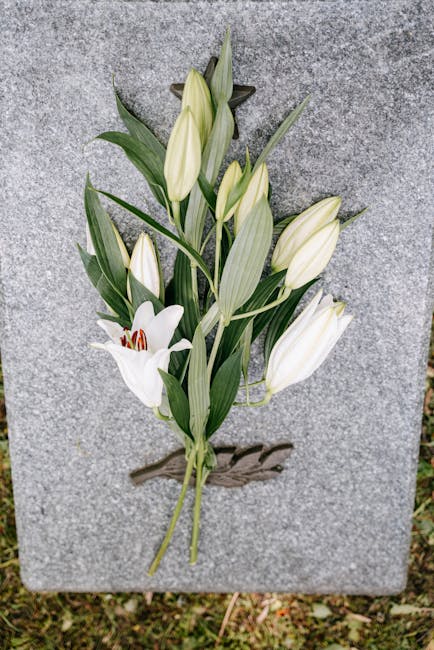
One thing people forget: a funeral tribute does not need to be showy to feel special. In a quiet chapel or entrance hall, even the scent of fresh lilies or the softness of a white rose arrangement can carry a lot of feeling. The room does the rest.
If you are looking for designs that are already suited to remembrance occasions, categories such as wreaths, sprays, and tributes are usually the most relevant starting points.
Common Mistakes to Avoid
The same handful of mistakes cause most funeral flower issues. Better to spot them now than on the day.
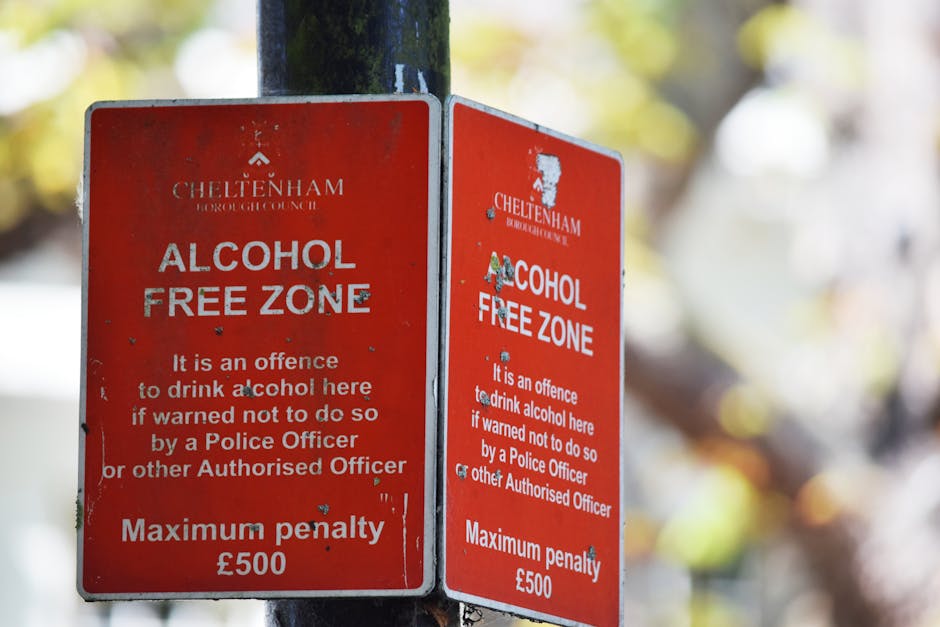
- Assuming public placement is fine: a pavement or roadside edge is not automatically available just because it looks unused.
- Ordering a tribute that is too large: large casket sprays or wide arrangements can be awkward in constrained spaces.
- Missing delivery instructions: if the florist does not know exactly who will receive the flowers, they may end up waiting.
- Choosing the wrong style for the venue: a very bright or casual design can feel out of step with a solemn service.
- Forgetting collection details: tributes often need to be removed after the service, and nobody wants that conversation when guests are leaving.
- Leaving wording to the last minute: the card message matters more than people think, and rushed words can feel unfinished.
There is also a subtle mistake that happens more than you would expect: copying someone else's tribute without thinking about context. What worked for one family may not suit another service, even if the flowers are lovely. The venue, faith tradition, and family preference all matter.
Tools, Resources and Recommendations
You do not need complicated tools to get this right. What you need is a short checklist, a sensible florist, and clear communication.
Useful things to have ready:
- the full venue name and address
- the exact service time and any arrival window
- a named contact at the venue or with the funeral director
- the preferred tribute type, colour palette, and size
- the card message or ribbon wording
- instructions for removal or collection
From a florist's point of view, the most useful product pages are the ones that help narrow the choice quickly. If the tribute needs to be gentle and traditional, a simple sympathy selection may be the easiest route. If the family wants a more specific remembrance style, look at items such as funeral card add-ons or carefully chosen flowers from the funeral range.
When time is tight, same-day or next-day delivery can also matter, but only if the florist can still deliver within the venue window. If the service is early and the route is busy, even the best bouquet in the world will not help if it turns up late. A small thing, but not really small at all.
Law, Compliance, Standards, or Best Practice
While every venue has its own practical arrangements, the main compliance issue is usually about public access, safety, and respect for the site. Councils tend to care about obstructions, trip hazards, and use of shared spaces. That means flowers should not block pathways, exits, or emergency access, and they should not be left where they could create a nuisance or safety issue.
In a formal or historic setting, best practice is to:
- seek permission before placing flowers outside the venue
- keep tributes off access routes unless specifically approved
- avoid securing arrangements in a way that could damage property
- use weather-resilient designs if the flowers will spend any time outside
- confirm who is responsible for removal after the service
There may also be venue-specific expectations about inscriptions, size, and handover timing. Because these arrangements can vary, it is wise to treat any advice as practical guidance rather than a universal rule. If something matters legally or contractually, confirm it directly with the venue or funeral director rather than relying on hearsay. Family gossip is not a policy document, tempting though it sometimes sounds.
For respectful funeral arrangements, the most dependable standard is simple: keep the tribute dignified, keep the route clear, and keep the communication clear. That is usually enough to avoid trouble.
Options, Methods, or Comparison Table
If you are deciding between tribute styles, this comparison may help. It is not about what is "best" in the abstract. It is about what works best in a Lambeth Palace-style setting where space, timing, and formality matter.
| Tribute type | Best for | Practical pros | Things to watch |
|---|---|---|---|
| Wreath | Formal remembrance and general sympathy | Classic, recognisable, easy to place | Can feel plain if the family wants something highly personalised |
| Spray | Coffins, stands, and service displays | Elegant, versatile, looks good in formal settings | Size needs to match the space |
| Posy | Smaller, understated tributes | Easy to carry, easy to position | May feel too small for a large family tribute |
| Letter tribute | Name-based or highly personal messages | Very clear, meaningful, visually strong | Needs careful sizing and delivery planning |
| Sheaf | Simple hand-held or informal remembrance | Light, natural, suitable for limited space | Less formal than a wreath or spray |
If the service is very formal, a wreath or spray is often the safest choice. If access is tight, a posy or sheaf may be more practical. And if the family wants to spell out a name, a letter tribute can be deeply moving, though it needs a bit more coordination. No shame in that.
Case Study or Real-World Example
Here is a realistic scenario that comes up quite often. A family wants to send a white tribute to a funeral at Lambeth Palace, but they are unsure whether it can be left outside the entrance before the service. They also want the wording to feel personal without taking over the arrangement.
The sensible approach would be to speak to the venue or funeral director first, then choose a medium-sized wreath or spray in white and soft green. The florist would confirm the delivery time, label the arrangement clearly, and include a short ribbon message. Because the location is formal and access may be busy, the tribute would be handed over at the right point rather than left on the pavement.
That kind of plan does three things well. It keeps the tribute dignified, reduces the chance of removal or repositioning, and makes life easier for the people coordinating the service. You can almost hear the relief in the room when the flowers arrive exactly where they should.
We have seen situations where a family started with a large, elaborate display and then scaled it back after checking the venue. Honestly, that is often the right move. The final arrangement ends up looking more elegant because it fits the space, not because it tries to dominate it.
Practical Checklist
Use this quick checklist before you place the order.
- Confirmed the full venue name and address
- Checked the service time and arrival window
- Asked whether the flowers go inside, outside, or to staff
- Confirmed any council restrictions on public-space placement
- Chosen a tribute style that suits the venue
- Selected colours that match the tone of the service
- Prepared the card or ribbon wording
- Provided the correct contact details for handover
- Checked whether collection or removal is needed later
- Allowed enough time for delivery in London traffic
Quick reassurance: if you have not got every detail perfect, do not panic. Funeral flower arrangements are often adjusted right up to the last minute. What matters most is clear communication and respectful placement.
Conclusion
Lambeth Palace funeral flowers rules and council restrictions are really about balance: honouring the person, respecting the venue, and keeping public access safe and clear. Once you understand that, the process becomes much easier. Choose a tribute that suits the setting, confirm where it should go, and make sure the florist has the information needed to deliver on time and in the right way.
The best funeral flowers are not always the biggest or the most elaborate. Often, they are the ones that fit the day quietly and beautifully. That is what people remember, usually. The calmness. The care. The sense that everything was handled properly, with heart.
If you are planning a tribute now, keep it simple, keep it respectful, and trust the details. They matter more than people think.
Get a free quote today and see how much you can save.
Frequently Asked Questions
Can funeral flowers be left outside Lambeth Palace?
Sometimes, but not automatically. Whether flowers can be left outside depends on the exact access point, the venue's arrangements, and whether any public-space or council restrictions apply. It is always safer to confirm before the service rather than assume.
Do council restrictions apply to funeral flowers on pavements?
Yes, if the flowers would be placed on or near public land, the council may treat them as a potential obstruction or safety issue. The key concerns are usually access, trip hazards, and keeping entrances clear.
What type of funeral flowers is most suitable for a formal venue?
Wreaths, sprays, posies, and restrained tribute pieces are usually the best fit for a formal setting. White, cream, green, and soft pastel arrangements are commonly chosen because they feel respectful and calm.
Are large funeral tributes allowed at Lambeth Palace?
Possibly, but larger tributes should be checked carefully because space and access can be limited. A large display may need a specific handover point or a different placement plan to avoid blocking movement.
How early should funeral flowers be delivered?
Ideally, deliver them with enough time for the venue or funeral director to receive and place them before guests arrive. In London, traffic can be unpredictable, so leaving a margin is wise.
Can a florist help with placement rules?
A good funeral florist should be able to advise on practical placement, size, and delivery timing. They may not replace venue instructions, but they can help you avoid the most common mistakes.
What happens to flowers after the funeral?
That depends on the venue and the family's wishes. Some tributes are taken home, some are distributed, and some are removed by the venue after the service. It is best to agree this in advance.
Should I choose a wreath or a spray?
Both are suitable for funerals, but the choice depends on the setting and the tribute style you want. Wreaths are classic and easy to place; sprays tend to feel a little more formal and are often used in service settings.
Can I send personalised funeral tributes for a Lambeth Palace service?
Yes, personalised tributes can be very meaningful. Just make sure the size and wording suit the venue, and confirm there is a suitable handover point if the tribute is more elaborate.
What if I am unsure about the rules?
If you are unsure, ask the venue, funeral director, or florist before ordering. A short check now can save a great deal of worry later, and on a day like this, that peace of mind matters.
Is it okay to use bright colours for funeral flowers?
It can be, if it reflects the person's character or the family's wishes. Some services suit bright, celebratory tones, while others feel better with softer colours. The right choice is the one that fits the tone of the farewell.
What is the safest option if access is limited?
A compact wreath, posy, or small spray is usually the safest option because it is easier to carry, place, and remove. In tight spaces, simple often works best.